Automotive

Tesla Auto Pilot Recall

tesla full self driving down a urban city highway through the heart of downtown

Tesla Autopilot is one of the most advanced driver assistance systems on the market, offering features such as automatic lane changing, self-parking, and even autonomous driving in some circumstances. However, recently, there has been a Tesla Autopilot recall, which is limiting where it can be used. Note: Since this article was first published, another Tesla software update has been pushed through that seems to have restored the Tesla Autopilot of Full-Self Driving back to it’s previous functionality. Tesla Auto Pilot Safety Concerns The recall was announced by the National Highway Traffic Safety Administration (NHTSA), citing concerns about the safety of the system’s forward-facing camera. According to the NHTSA, there is a risk that the camera’s image processing software could malfunction, causing the Autopilot system to misinterpret its surroundings and potentially lead to a crash. As a result of the recall, Tesla has disabled Autopilot’s automatic lane changing feature on all Model S and Model X vehicles built between September 2014 and September 2021. This means that drivers will no longer be able to rely on the system to automatically change lanes for them when they activate the turn signal. The recall is a significant blow to Tesla’s Autopilot system, which has been marketed as one of the company’s key selling points. It’s also a reminder of the challenges involved in developing self-driving cars and the limitations that still exist in the technology. Tesla Full Self Driving Challenges One of the main issues with autonomous driving is that it requires a massive amount of data to be processed in real-time. This includes information about the road, other vehicles, pedestrians, and the environment. To achieve this, autonomous vehicles rely on a variety of sensors and cameras that feed data to the car’s computer system, which then uses machine learning algorithms to interpret the information and make decisions about how to operate the vehicle. However, this process is not foolproof, and there are still many situations where the technology can fail. For example, if the camera is not properly calibrated or if there is too much glare or reflection on the road, the system may misinterpret its surroundings and potentially cause an accident. The Tesla Autopilot recall is an acknowledgment of these limitations and an attempt to mitigate the risk of accidents caused by the system’s malfunctioning. However, it also highlights the fact that self-driving technology is still in its infancy and has a long way to go before it can be relied on completely. Tesla Auto Pilot Criticism In addition to the recall, Tesla has also faced criticism from safety experts who argue that the company has been too aggressive in marketing the Autopilot system as a fully autonomous driving experience. While Tesla has been clear that the system requires driver attention and intervention, some drivers have misunderstood the limitations of the system and have become over-reliant on it. This has led to several high-profile accidents involving Tesla vehicles and has raised questions about the safety of autonomous driving more broadly. In response, Tesla has been working to improve its safety messaging and has implemented additional safety features in its vehicles, such as driver monitoring systems. Despite these efforts, there is still a long way to go before fully autonomous driving becomes a reality. In the meantime, companies like Tesla will need to continue developing and refining their autonomous driving technology to minimize the risk of accidents and ensure that drivers understand the limitations of the systems they are using. Autonomous Driving is Still in it’s Infancy The Tesla Autopilot recall is a reminder that autonomous driving technology is still in its early stages, and there are many challenges that need to be overcome before it can be used safely and reliably on a widespread basis. However, with continued investment and innovation, it’s likely that we will see significant advancements in this area in the coming years. One of the most promising developments is the use of artificial intelligence and machine learning algorithms to improve the accuracy and reliability of autonomous driving systems. By analyzing vast amounts of data and continually learning from experience, these algorithms can adapt to changing road conditions and make more accurate predictions about what’s happening around the vehicle. Improved Hardware for Autonomous Driving Another area of focus is the development of new sensors and cameras that can better detect and interpret the environment around the vehicle. For example, lidar technology uses laser beams to create a 3D map of the surroundings, which can provide more accurate data than traditional cameras. However, these advancements will take time to implement and will require significant investment from companies like Tesla. In the meantime, it’s essential that manufacturers continue to prioritize safety and educate drivers about the limitations of autonomous driving systems. Additional Regulations for Autonomous Driving? One potential solution to this issue is to implement a graduated licensing system for autonomous driving. This could require drivers to undergo additional training and demonstrate their ability to safely operate a vehicle with autonomous driving features before being allowed to use them on public roads. Another approach could be to introduce regulations that require autonomous driving systems to meet certain safety standards before they can be used on public roads. This could help ensure that the technology is tested and proven to be safe before it’s widely adopted. Conclusion: Tesla Autopilot Autonomous Driving Ultimately, the Tesla Autopilot recall highlights the need for continued investment in autonomous driving technology and the importance of prioritizing safety. While there is still a long way to go before fully autonomous driving becomes a reality, the potential benefits of this technology are significant. From reduced traffic congestion and improved efficiency to increased safety and reduced emissions, there are many reasons to be optimistic about the future of autonomous driving. However, it’s important to remember that this technology is still in its early stages and that there are many challenges that need to be overcome before it can be used safely and reliably on a widespread basis. In

Tesla Auto Pilot Recall Read More »

The Tesla Supercharger Network: Convenience and Accessibility

tesla supercharger network of charging - a hyper realistic illustration

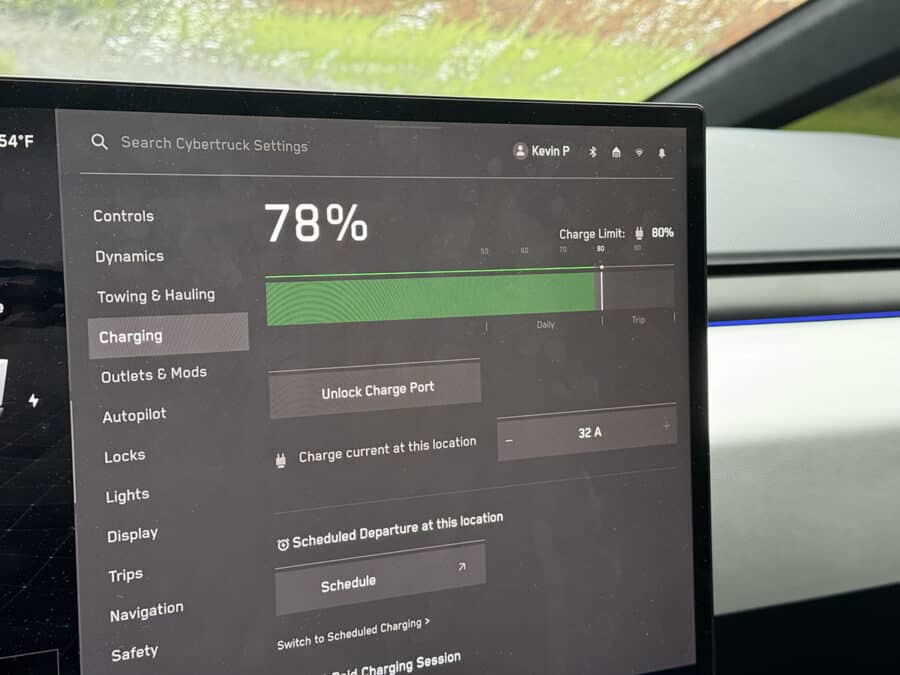
The Tesla Supercharger network: Convenience and accessibility is a transformative feature that has significantly revolutionized the EV charging infrastructure. This innovative solution from Tesla not only accelerates the adoption of electric vehicles but also enhances user experience with its fast-charging capabilities. In this post, we will delve into various aspects of The Tesla Supercharger network: Convenience and accessibility. From global coverage to renewable energy powering the network, there’s much to explore about this groundbreaking initiative. We’ll also discuss how it impacts other electric vehicle brands and its collaboration with Ford & GM on NACS connectors. Additionally, you’ll learn about Tesla’s expansion plans till late 2024, including installation of new V3 units along highway corridors and slower-charging ones at hotels and restaurants. Lastly, we will shed light on recent investments by convenience stores into building necessary infrastructure for EVs and how non-Tesla cars can utilize company’s services through Magic Dock Adapter. The Tesla Supercharger Network: An Overview When it comes to electric vehicle (EV) charging infrastructure, the Tesla Supercharger network stands out as a game-changer. This vast and ever-growing network offers fast charging times and significant cost savings for Tesla owners. Lightning-Fast Charging with Tesla Superchargers Tesla’s supercharging stations are designed to charge up to 80% in just half an hour. Take a break during your journey, recharge quickly and get back on the road with plenty of range left in your battery. Global Coverage for Your Convenience Discovering a handy spot to recharge is no longer an issue, with over 20,000 charging stations scattered all around the world. Discover a convenient charging station no matter if you’re cruising locally or on an extended journey. Find a station near you. Renewable Energy Powers the Network In line with its commitment towards sustainability, Tesla powers its superchargers using renewable energy sources wherever possible. By choosing this eco-friendly option for powering their vehicles, Tesla drivers contribute significantly towards reducing carbon emissions. Learn more about Tesla’s renewable energy initiatives. Experience Hassle-Free Travel with Tesla This combination of lightning-fast charging capabilities and extensive global coverage makes owning a Tesla model a truly hassle-free experience, even when traveling long distances. Tesla’s features are unparalleled, making it the premier EV choice for today’s savvy consumer. User Experience with the Tesla Supercharging System One of the standout features of owning a Tesla is undoubtedly its Supercharger network. But what truly sets it apart from other EV charging systems isn’t just its impressive coverage and speed capabilities, but also how it enhances user experience. Remote Monitoring Systems for Seamless Operation Tesla has incorporated remote monitoring systems into their superchargers to ensure seamless operation. This means that potential issues at charging points can be detected promptly for quick resolution. The Tesla support team is always on standby to assist in case any problems arise during charging, ensuring users have peace of mind whenever they plug in their vehicles. Onboard Maps for Easy Navigation New customers need not worry about finding a nearby charger as this information can easily be accessed via onboard maps integrated within each vehicle’s system. These interactive maps display real-time availability status of nearby superchargers, making long-distance travel planning easier than ever before. Check out this helpful guide on how to use your Tesla’s navigation system for trip planning. The combination of these innovative features provides an unparalleled user experience when using the Tesla Supercharging System – one that is convenient, efficient, and reliable all at once. The ever-increasing popularity of Teslas over traditional gas cars is no surprise given the comprehensive infrastructure supporting electric vehicle ownership. Opening Up Access To Non-Tesla Vehicles Tesla has taken a major step towards inclusivity by allowing non-Tesla electric vehicles to access its Supercharger network, part of the federal $7.5 billion program for standardizing payment options across all chargers. This decision is in line with federal initiatives aimed at standardizing payment options across all chargers under a $7.5 billion program. Federal Initiatives towards Standardized Payment Options The US government’s push for standardized EV charging infrastructure is part of their broader goal to promote clean energy and reduce carbon emissions. Federal initiatives have been put into place aiming at making EV charging more accessible and affordable for everyone, irrespective of the brand they own. Impact on Other Electric Vehicle Brands This groundbreaking move by Tesla will undoubtedly benefit other electric vehicle brands as well. Owners of other EVs can now experience quicker charging and more ease while on long journeys, thanks to Tesla’s expansive supercharging network. However, with this new development, other EV manufacturers will need to up their game in terms of delivering superior service and competitive costs. Tesla’s decision aligns perfectly with Elon Musk’s vision of accelerating the advent of sustainable transport by bringing compelling mass-market electric cars onto the market as soon as possible. Musk’s Master Plan Part Deux emphasizes the importance of making electric vehicles accessible to everyone, and this move is a significant step in that direction. Beyond just being an unprecedented business strategy, this move could potentially revolutionize how we perceive electric vehicle ownership – transforming it from a niche luxury into an everyday necessity. Be prepared to enjoy the journey if you possess an EV. Collaboration with Ford & GM on NACS Connectors In a significant step towards standardizing EV charging, Tesla has joined hands with automotive giants Ford and GM. This partnership aims to adapt the New Common Architecture Standard (NCAS) connectors used by Teslas for these brands’ electric vehicles. Partnership between Ford & GM and Tesla The collaboration marks a major milestone in the EV industry as it brings together three of the biggest players in one unified mission – promoting wider adoption of electric vehicles. By allowing other brands to use its proprietary technology, Tesla is expanding its reach and fostering an environment conducive to growth and innovation. Role of NACS Connectors in Wider Adoption The role of NACS connectors cannot be overstated. These components are crucial for ensuring compatibility across different vehicle models, making charging more accessible regardless of which brand’s

The Tesla Supercharger Network: Convenience and Accessibility Read More »

Can a Tesla Charger Get Wet? A Guide to Safe Charging

Can a Tesla charger get wet?

Can a Tesla charger get wet? This is a question that many electric vehicle owners may have, especially during inclement weather conditions. Charging ports and electricity don’t mix well with water, which naturally leads to concerns about the safety of charging your Tesla in the rain or snow. In this blog post, we will explore the intricacies of Tesla’s charging systems and their capability to withstand various environmental conditions, including rain or snow. We’ll explore whether the tesla charging port is waterproof, how to safely charge your vehicle at home or at supercharger stations, and precautions you need to take while using mobile chargers. We will also provide insights on maintaining charger integrity during harsh weather situations like heavy rain or freezing temperatures. So can a Tesla charger get wet? Stay tuned as we unravel this query comprehensively. Tesla Charging in Wet Conditions Charging your Tesla vehicle during wet conditions might seem risky, but thanks to the robust safety measures implemented by Tesla, it’s entirely possible. However, there are some precautions you should take for an optimal charging experience. Importance of keeping charging cables dry The first rule is to ensure that all charging cables and connectors are completely dry before use. This reduces any risk of electrical issues or damage to your charger or vehicle. Don’t be a fool, keep your cables dry. Home Charging Your Tesla Safely Charging your Tesla at home can be convenient and cost-effective. When bad weather hits, like hail or lightning storms, it’s essential to be vigilant and take safety measures while charging your Tesla at home. Safe Practices for Home Charging Benefits of Installing a Level 2 Charger Level 2 chargers, which run on 240 volts, can charge your Tesla significantly faster than standard wall outlets. They also come with additional safety features like ground fault protection and are typically hardwired into your electrical system by a professional electrician. This ensures they are installed safely and correctly according to local codes and regulations. For more information on home charging safety, check out this Tesla support page. Maintaining Charger Integrity During Harsh Weather Conditions Harsh weather conditions can pose challenges to your Tesla’s charging system. However, with proper precautions and maintenance, you can ensure its longevity and performance. Positioning Mobile Charger Installations Correctly Your Mobile Connector installation should be above ground level to prevent water or snow from reaching it. This helps in avoiding potential electrical hazards and maintaining the integrity of the charger. Dealing with Frozen Chargers In freezing rain scenarios, avoid using forceful attempts to unplug a frozen charger as this could cause damage. Instead, use safe methods such as gently rocking the connector back and forth until it loosens up. Remember that pouring hot water over them is not recommended due to the risk of thermal shock causing premature wear and tear on your Tesla’s charging equipment. Don’t let harsh weather conditions put a damper on your Tesla’s charging capabilities. By adhering to these instructions, you can guarantee your charger’s optimal performance and availability when needed. Understanding Technical Specifications for Safety in Wet Environments Tesla’s commitment to safety extends beyond the vehicle itself, right down to its charging equipment. The chargers are designed with a focus on waterproof and dustproof designs, ensuring safe operation even in wet conditions. Waterproof & Dustproof Designs of Chargers The Tesla Wall Connector and Mobile Connectors have been engineered to withstand environmental factors like rain and windblown dust. They feature robust casings that protect against water ingress, thus maintaining their integrity during adverse weather situations. You can find more about these features from the official Tesla support page. Precautions to Take While Charging in Diverse Environmental Situations Charging your Tesla during diverse environmental situations, like thunderstorms, can be a concern for many owners. However, the risk is minimal due to the watertight battery packs engineered for rainy condition operations. Advised Precautions During Thunderstorms The only exception to this rule is freezing rain scenarios. The chargers aren’t designed to handle such conditions and may malfunction or get damaged as a result. Waiting for improved conditions is advisable prior to attempting any form of charging when freezing rain is present. FAQs in Relation to Can Tesla Charger Get Wet Is it safe to leave a Tesla charger outside? Yes, the Tesla Mobile Connector is designed to withstand outdoor conditions, but it’s best to avoid exposing it to extreme weather for prolonged periods. Can I wash my Tesla while it’s charging? No, it’s not recommended to wash your car while it’s charging as water and electricity can be a dangerous combination. Can you drive a Tesla in the rain? Absolutely. Teslas are safe and fully capable of driving in rainy conditions thanks to their advanced traction control systems. Are there any downsides to Tesla vehicles? While Tesla vehicles are known for their impressive performance and eco-friendliness, some critics have pointed out issues with build quality and customer service. How does Tesla compare to other electric vehicle brands? Tesla is often considered the leader in the electric vehicle market, but there are other brands like Nissan, Chevrolet, and BMW that offer their own unique features and benefits. Conclusion Is it safe to charge your Tesla in the rain? Yes, but precautions must be taken to ensure safety and protect your charging equipment from damage. Avoid charging in standing water, keep cables dry, and position mobile chargers correctly in harsh weather conditions. If you’re charging during thunderstorms or other extreme weather conditions, be sure to take the necessary precautions. By following these guidelines, you can safely charge your Tesla even in wet conditions.

Can a Tesla Charger Get Wet? A Guide to Safe Charging Read More »