Trailers

SylvanSport Go Review – The Coolest Camper Ever

sylvansport go camping trailer

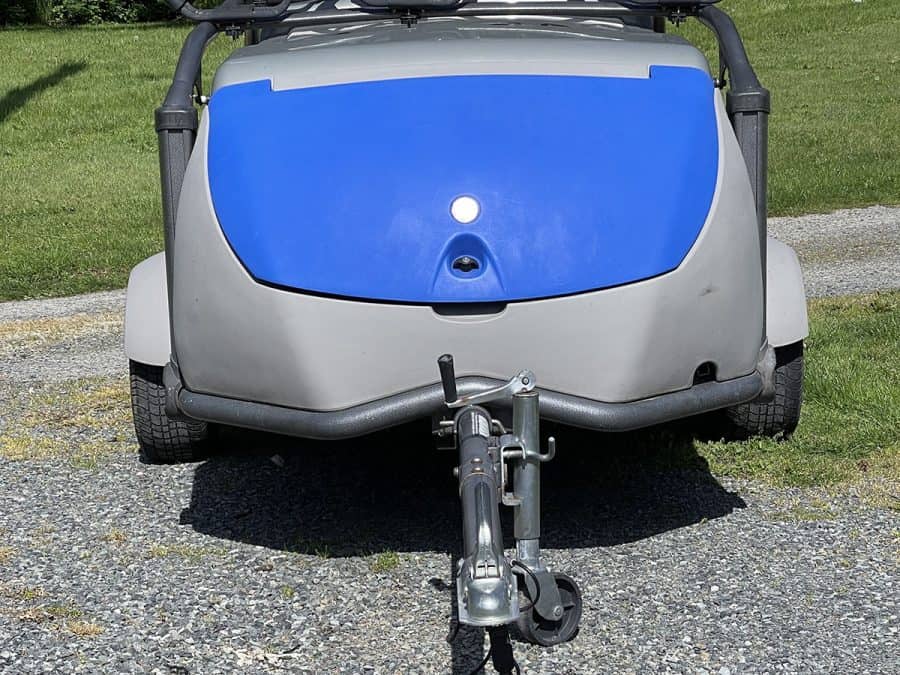
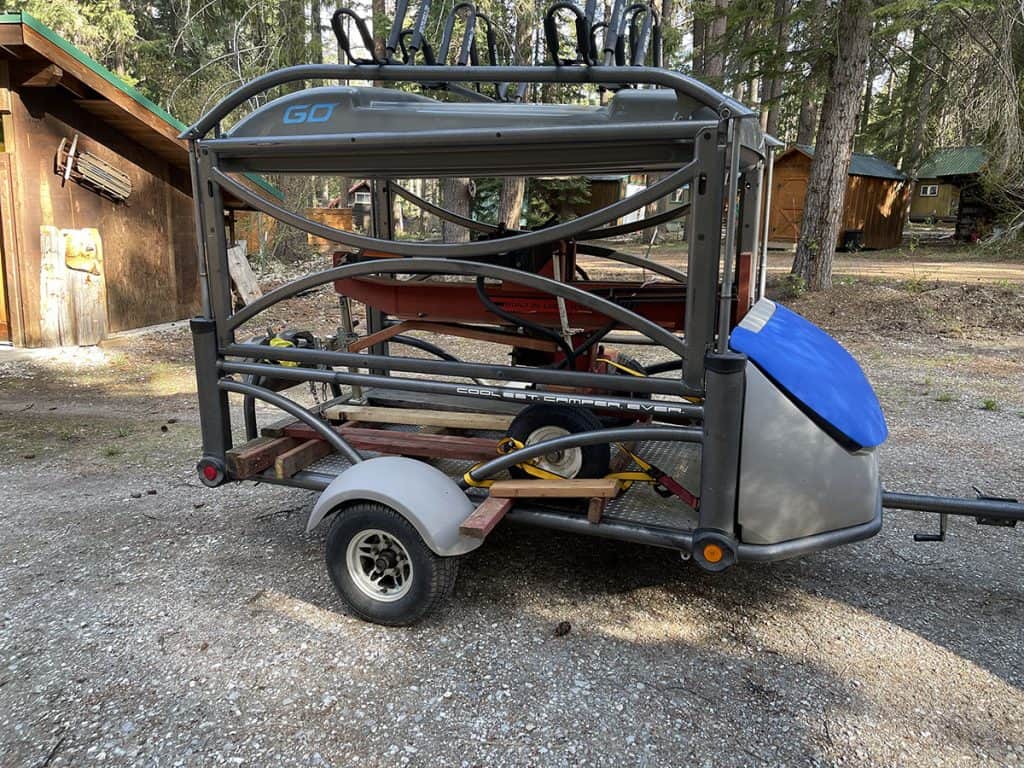
The SylvanSport Go trailer is a game-changer in the world of camping and outdoor recreation. National Geographic once dubbed it the Coolest Camper Ever. It is a lightweight and versatile trailer that can be towed by most vehicles, including many electric vehicles. We bought ours used over 5 years ago and continue to get varied use out of it fairly regularly. From hauling dirt bikes and kayaks to camping. The Go trailer has won numerous awards for its multi-functional design, lightweight construction, and aerodynamic shape. In this article, we will explore the features and benefits of the SylvanSport Go trailer and why it is an excellent choice for those who love to get out and explore the great outdoors. Read on to learn about it’s specifications and our personal experience with it. Multi-functional Capability One of the standout features of the SylvanSport Go trailer is its multi-functional capability. The trailer is designed to serve as both a camper and a gear hauler. It has a unique modular design that allows you to configure the trailer in a variety of ways, depending on your needs. The Go trailer can be set up as a camping trailer, complete with a tent and a comfortable sleeping area. The tent is made of high-quality ripstop nylon, and it is designed to be breathable and waterproof, so you can stay dry and comfortable in all kinds of weather. In addition to its camping capabilities, the Go trailer can also be used as a gear hauler. The trailer has a cargo area that can be used to transport bikes, kayaks, camping gear, and more. The cargo area has tie-down points and adjustable crossbars, so you can secure your gear safely and securely. The Go trailer also has a removable tongue, which makes it easy to store when not in use. Here’s just some of the uses you can use a SylvanSport Go for: Lightweight Design The SylvanSport Go trailer is one of the lightest trailers on the market, weighing in at just 840 pounds. Its lightweight design makes it easy to tow with most vehicles, including electric cars. This is a significant advantage for those who own electric vehicles, as towing a heavy trailer can drastically reduce the range of an electric car. You can also check out my post on towing a Sylvansport with a Tesla Model X. The Go trailer is made of high-quality materials, including aluminum and composite panels. These materials are lightweight yet durable, so you can be sure that your trailer will last for years to come. The trailer’s lightweight design also makes it easy to maneuver, even in tight spaces. This is particularly useful when camping in remote locations where space is limited. Aerodynamics The SylvanSport Go trailer is designed with aerodynamics in mind. Its sleek shape and low profile reduce wind resistance, which makes it easier to tow and improves fuel efficiency. This is particularly important for electric cars, as towing a trailer can significantly reduce their range. The Go trailer’s aerodynamic design ensures that you can travel further on a single charge, allowing you to explore more of the great outdoors without having to worry about running out of power. The Go trailer also has a low center of gravity, which makes it more stable on the road. This is particularly important when towing a trailer, as an unstable trailer can be dangerous and difficult to control. The Go trailer’s low center of gravity ensures that it stays firmly planted on the road, even when traveling at high speeds or in windy conditions. Other Features In addition to its multi-functional capability, lightweight design, and aerodynamics, the SylvanSport Go trailer has a range of other features that make it an excellent choice for outdoor enthusiasts. These include: Conclusion The SylvanSport Go trailer is a versatile and innovative trailer that is perfect for outdoor enthusiasts. Its multi-functional capability, lightweight design, and aerodynamics make it an ideal choice for those who love to explore the great outdoors. The Go trailer can be used as a camper or a gear hauler, and it can be towed by most vehicles, including electric cars. Its compact design, customizable features, and eco-friendly design make it a popular choice for those who want to enjoy the outdoors while minimizing their impact on the environment. Overall, the SylvanSport Go trailer is an excellent investment for anyone who loves to get out and explore the world around them.

SylvanSport Go Review – The Coolest Camper Ever Read More »

How to Remove a Trailer Wheel That Doesn’t Have Lugs

How to remove wheels without lug nuts

My neighbor who was moving to the other side of the state had a tow-behind 20-ton log splitter he no longer had any use for and offered to give it to me. The tires were fairly old, and the beads on one were no longer sealed to the wheel. To get the the tire replaced, I first had to remove the wheel from the axle, but quickly noticed the wheel did not have any lug nuts. Trailer wheels that don’t have lug nuts are held in place by an axle nut and wheel bearings. This design is common in many types of trailers, including boat trailers, horse trailers, and utility trailers. The axle nut holds the wheel and hub assembly onto the axle, while the wheel bearings allow the assembly to rotate smoothly around the axle. To ensure proper operation and safety, it’s essential to maintain and inspect the wheel bearings regularly. A damaged or worn bearing can cause the wheel to wobble or even detach from the axle while in use, leading to a dangerous situation on the road. By understanding how trailer wheels are held in place without lug nuts, trailer owners can keep their equipment in good working condition and enjoy trouble-free towing. Read on as we go step by step on how to remove a trailer wheel that doesn’t use lug nuts. Steps to Remove a Trailer Wheel That Has No Lug Nuts Step 1: Park the Trailer on a Level Surface The first step is to park the trailer on a level surface. This will prevent the trailer from moving while you remove the wheel. Ensure that the trailer is in a stable position to avoid any accidents during the process. Step 2: Block the Other Wheel(s) Blocking the other wheels of the trailer is essential to prevent any movement. Use blocks or chocks to secure the trailer wheels in place. This will ensure that the trailer remains stable while you work on removing the wheel. Step 3: Remove the Hub Grease Cap The next step is to remove the hub cap. The hub cap is usually located in the center of the wheel. You can use a flat-head screwdriver or a pry bar to remove it. Insert the screwdriver or pry bar under the hub cap and pry it off gently. You likely won’t get it off in one attempt and will need to work your way around the cap in multiple locations. Be careful not to damage the hub cap during this process. Step 4: Remove the Cotter Pin The cotter pin is a small pin that secures the axle nut in place. Remove the cotter pin by straightening the ends and pulling it out. If the cotter pin is rusted, you may need to use pliers or a small screwdriver to remove it, or cut it out with a pair of diagonal colors or similar. Step 5: Loosen the Axle Nut Once you have removed the hub cap, you can access the axle nut. Loosen the axle nut by turning it counterclockwise. You can use a socket wrench or an adjustable wrench for this task. Be sure to loosen the nut only, do not remove it completely at this point. Step 6: Remove the Washer and Wheel Bearing The washer and wheel bearing is usually located behind the axle nut. Remove it carefully, ensuring that it doesn’t get lost. Keep the washer in a safe place along with the axle nut. They should slide right out. Step 7: Remove the Wheel With the axle nut and washer removed, you can now remove the wheel. You may need to wiggle the wheel back and forth to loosen it from the hub. Once the wheel is loose, pull it off the hub and set it aside. Step 8: Inspect the Wheel and Hub Before installing a new wheel or re-installing the old one, inspect the wheel and hub for any damage. Look for signs of wear, such as cracks or dents, and ensure that the hub is clean and free of debris. This would be a good time to re-pack the bearings and hub with grease, or even replace with new wheel bearings. Step 9: Install the Wheel To install the new or old wheel, reverse the steps above. Insert the wheel onto the hub and wiggle it back and forth to ensure a snug fit. Replace the washer and axle nut and tighten the nut until it’s snug. Be sure not to over-tighten the nut, as this can cause damage to the hub. Step 10: Secure the Axle Nut Once the axle nut is tight, secure it in place by inserting a new cotter pin. Bend the ends of the pin to ensure that it’s secure. It’s always best to use a new cotter pin since the one you just removed has been previously bent and could be prone to breaking. Step 11: Replace the Hub Grease Cap Finally, replace the hub cap by gently tapping it into place. Use a rubber mallet or a block of wood to ensure that the hub cap is secure and flush with the wheel. If the hub cap has any damage, you may need to replace it. Step 12: Remove the Wheel Blocks Once you have installed the wheel and secured everything, you can remove the wheel blocks. Be sure to remove the blocks carefully and avoid any sudden movements that may cause the trailer to shift. Summary In conclusion, removing a wheel from a log splitter tow behind trailer that doesn’t have lug nuts can be a daunting task, but by following these steps, you can do it safely and easily. Remember to always work on a level surface, block the other wheels, and inspect the wheel and hub before installing a new or old wheel. And most importantly, be patient and take your time to ensure that everything is secure before you start using your log splitter trailer again.

How to Remove a Trailer Wheel That Doesn’t Have Lugs Read More »