Tesla Winter Driving Tips
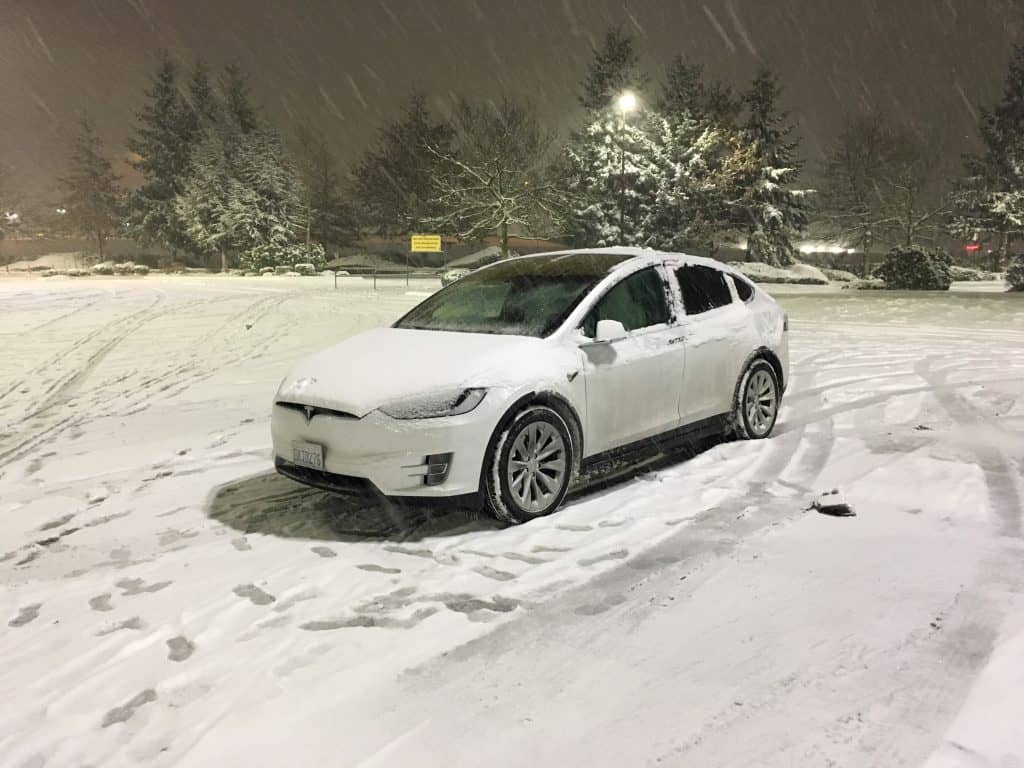
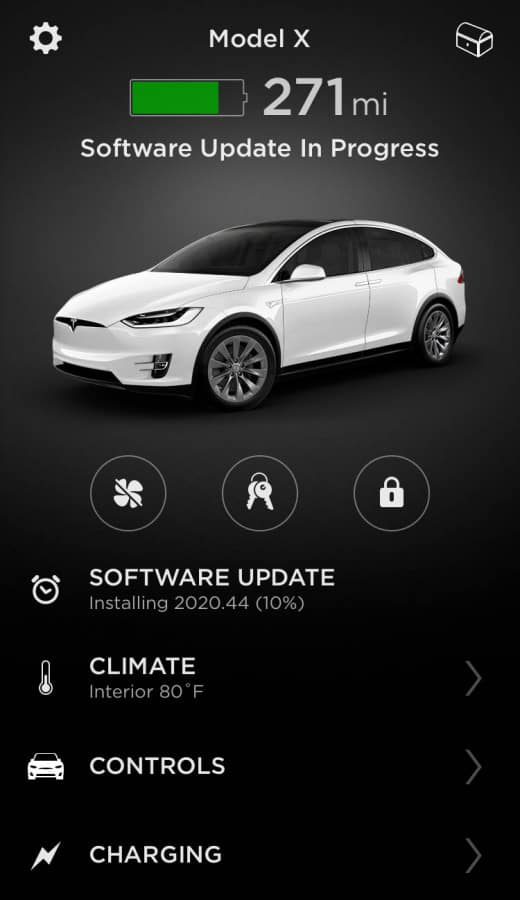
If you are lucky enough to live in a part of the world that experiences all four seasons, you know how tumultuous winter driving can be. From the slippery snow to freezing car seats, to poor visibility to black ice, winter driving is no one’s favorite experience. So how does Tesla handle these undesirable driving conditions? Tesla’s, especially those equipped with all wheel drive can perform quite well in wintery conditions. With colder temps however, electric vehicles tend to get less range than during warmer conditions. Tesla has added a few features you can take advantage of within the app, and we’ll also cover some other tips to maximize your range, and safety, during less than ideal driving conditions. Electronic vehicles face a different set of challenges with cold winter weather than gas vehicles do. The more tech a vehicle has, the more that could potentially go wrong. This article will consider these specific challenges as well as advise you on how to best care for your Tesla model this winter season. Know the Winter Challenges That Come With a Tesla Most people do not like winter driving for a plethora of reasons. The snow and ice make driving on suburban roads a nightmare. The bad dream only gets worse when driving on the highway with more traffic at higher speeds. Tesla recognizes the problems electric vehicles have in winter and continuously tries to make the issues more manageable. Before the 1980s, it was a common practice to go out to your gas-powered car in the winter and let it warm up in the driveway for 10 minutes or so to ensure the oil was not frozen and could lubricate the car engine properly. Today, this practice is totally outdated and utterly unnecessary in your fossil fuel car. Electric vehicles, on the other hand, face a different set of problems and definitely benefit from preconditioning, or warming up the battery pack. The nice thing about Teslas is that you can turn on your car, prep the motor(s), and even defrost windows and mirrors remotely! With the Tesla app, the process is incredibly simple: Open the Tesla app on your smartphone Press to open the “Climate” section Turn the feature on By heating up the cabin interior, the battery will heat up as well. If you are able to preheat your car while it is plugged in at home, you will not waste any battery charge. Your car will also be nice and warm, inside and out, and ready to drive. The only downside is heating up your Tesla can take up to an hour. To defrost windows and mirrors, the process is almost exactly the same. Open the Tesla app on your smartphone Press to open the “Climate” section Press on the defrost icon Use Scheduled Departure to Heat Up Your Car If you want to save a little time in the morning before you head out to work or to an appointment, you can also use the Scheduled Departure feature. Your Tesla model will automatically start charging and preconditioning itself at the best time so you can be out on the road when you need to be. To use the Scheduled Departure feature: Tap on “Charging” lighting bolt icon Press on “Schedule” and punch in the time you want your car to be ready Everything from using the radio to warming your seat to running the heater uses up your battery charge. On the other hand, your battery can be warmed up with driving, charging, and preconditioning your vehicle. To keep your Tesla model working in the best possible way, it is important to keep your battery charged and warm. If your car is not properly heated before you use it, you will not be able to access all of the perks of having a Tesla vehicle. Cold weather can quickly decrease your battery charge and prevent you from accessing all the power storage. If your car battery is too cold, displayed with a blue snowflake on the touchscreen, your usage may be limited. Cold weather also limits your access to regenerative braking and battery power. Regenerative braking is a remarkable technology that allows the forces involved in braking to recharge your battery. This is super helpful to prolong the driving time in your Tesla vehicle. Know the Winter Difference Between EVs and Gas Vehicles Thus far this article has touched on the general interior driving lifestyle of a Tesla owner, but another equally important ownership factor to consider is how the operator of an electric vehicle will have to change their driving practices in the winter. Electric motors produce considerably more torque than your traditional gas-powered engine. This greatly influences how an electric vehicle will handle slippery roads. Luckily, Tesla has created technology to combat this inevitable factor and is constantly trying to improve the way Teslas’ onboard computers handle icy conditions. Consumers have found that in recent years, the traction control system in their Tesla models manage the tires in such a way that the power transfer and power limiting technology prevents the car from spinning out on slick surfaces. This means that when the car senses itself losing control, the system is able to control the power output and limit the transfer of that power to the wheels so driving on icy roads is much easier. This keeps the wheels from spinning out and losing too much traction to propel the car forward. Use Slip Start to Escape Deep Snow Tesla also has a technology called Slip Start. This function allows the wheels to spin more freely and create more slip in the tires. You might think that this is the opposite of what you would want in a winter driving technology, but it is actually very helpful for snowy conditions. Turning off the traction control with Slip Start helps the tires spin which comes in handy when driving in deep snow. High-performance off-road vehicles use a very similar feature to dig themselves out of
Tesla Winter Driving Tips Read More »